(561) 802-3060 info@mri-news.com
Heart Disease In Women

Heart Disease In Women

At the Metabolic Research Institute in West Palm Beach, we utilize clinical studies and research trials to find cures and solutions for a variety of health problems that Americans are coming across more frequently, such as diabetes, high cholesterol, and heart disease. When we work on these cases we have the bigger picture in mind, and because of that, we want to provide you with some of the primary causes of heart disease in women. With this information, we hope that you’ll make an effort to take precautionary actions in your own life!

For those of you who may not know what heart disease entails, heart disease affects the blood vessels and cardiovascular system. From there, a process called atherosclerosis begins; this is when plaque builds up in the walls of your arteries, making it difficult for blood to flow through. This process can create blood clots and can cause a stroke or heart attack.

Heart disease can take shape in other ways too. Another form of heart disease is heart failure or congestive heart failure, which means that your heart is still working, but it isn’t receiving enough oxygen or pumping blood the way it should be. An arrhythmia or abnormal heart rhythm is another form of heart disease. When this form of heart disease takes place, your heart is either beating too fast or too slow. When this happens, your blood flow is affected because the heart is lacking the ability to consistently pump the amount of blood your body needs.

90 percent of women have at least one risk factor for developing heart disease in their lifetime, and 1 in 3 of these women will die each year from heart disease. This means that a woman is more likely to die of heart disease than cancer. Talk to your doctor about the risks of heart disease that you may have, and how you can take action to preventing it from happening to you.



The Long Term Effects Of High Cholesterol

The Long Term Effects Of High Cholesterol

High cholesterol is one of the most common health issues that is found in adults. While there are some individuals who don’t take it seriously, the diagnosis of high cholesterol is something that requires immediate action.  The longer high cholesterol goes without treatment, the worse the effects on your body will be. Many assume that high cholesterol is harmless in the long run, but in fact the opposite is quite true.

Studies show that the average American’s cholesterol level is in the borderline high range, and 1 in 6 Americans has high cholesterol. High cholesterol can lead to stomach pain from fatty deposits, atherosclerosis, and an increased strain on your heart. However, the two largest effects that a high cholesterol can have on your body are the increased chance of a stroke or a heart attack.

If there is a clog in one of your coronary artery, your heart doesn’t receive enough blood or oxygen. This ends up weakening your heart and creates long term damage. This can lead to a few things. A blood clot could form blocking the flow of blood and oxygen to the heart, it could also break off and make its way to one of your arteries. Once an artery is completely blocked, you have a heart attack.

The second risk that high cholesterol puts you at are the chances of a stroke. This happens from plaque buildup that keeps your brain from getting enough blood or oxygen. Through the same method as the heart attack arteries, if a clot blocks one of the arteries that feeds your brain blood and oxygen is blocked, you’ll have a stroke.

These long term effects are dangerous and life threatening. Both have the ability to completely take your life. The Metabolic Research Institute in West Palm Beach is working hard to discover a high cholesterol treatment for individuals at risk of a heart attack or stroke. If you’re aware that you have high cholesterol, talk with your doctor to determine which actions are best for you so that you can manage your cholesterol.


Treating The Diabetic In Your Life On Valentine’s Day

Treating The Diabetic In Your Life On Valentine’s Day

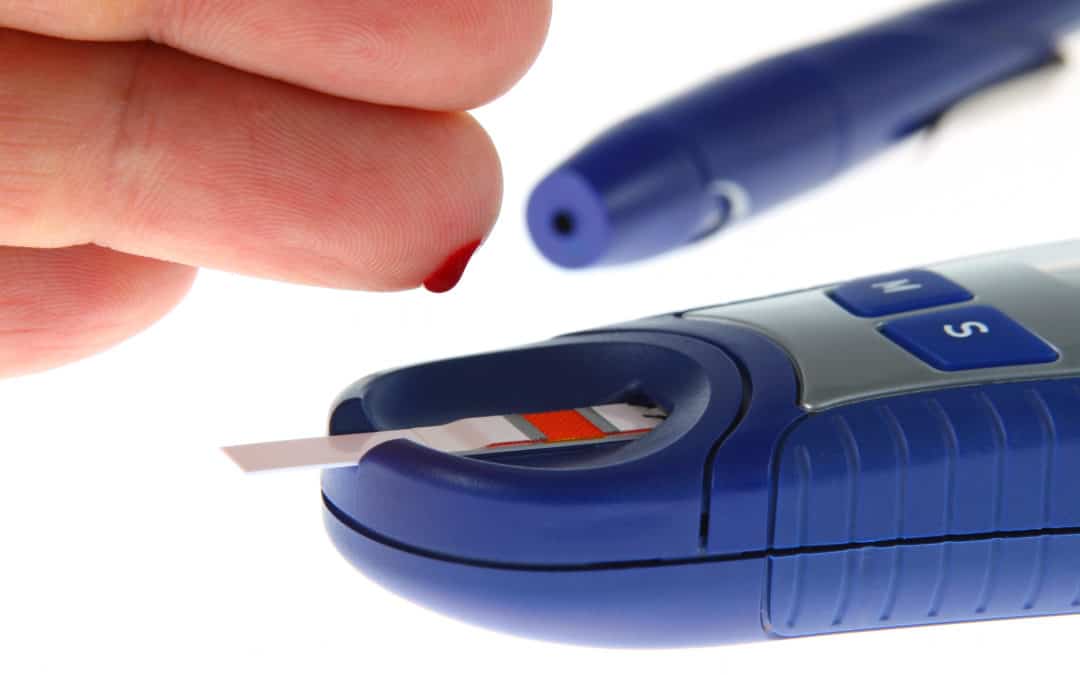
As with most holidays, the food offerings that Valentine’s Day bring can be absolute torture to a diabetic. While more than 100 million Americans deal with type 2 diabetics, a majority of our nation has no idea what it’s like to manage, or live with,  diabetes. Holidays are the toughest time of year because of all the sweets that rise to the surface and fill the aisles of our grocery stores. Not being able to enjoy the sweets doesn’t mean that diabetics shouldn’t be able to enjoy these holidays. The Metabolic Research Institute in West Palm Beach has found great ways for you to treat the diabetic in your life this Valentine’s Day.

CUT BACK ON SUGAR

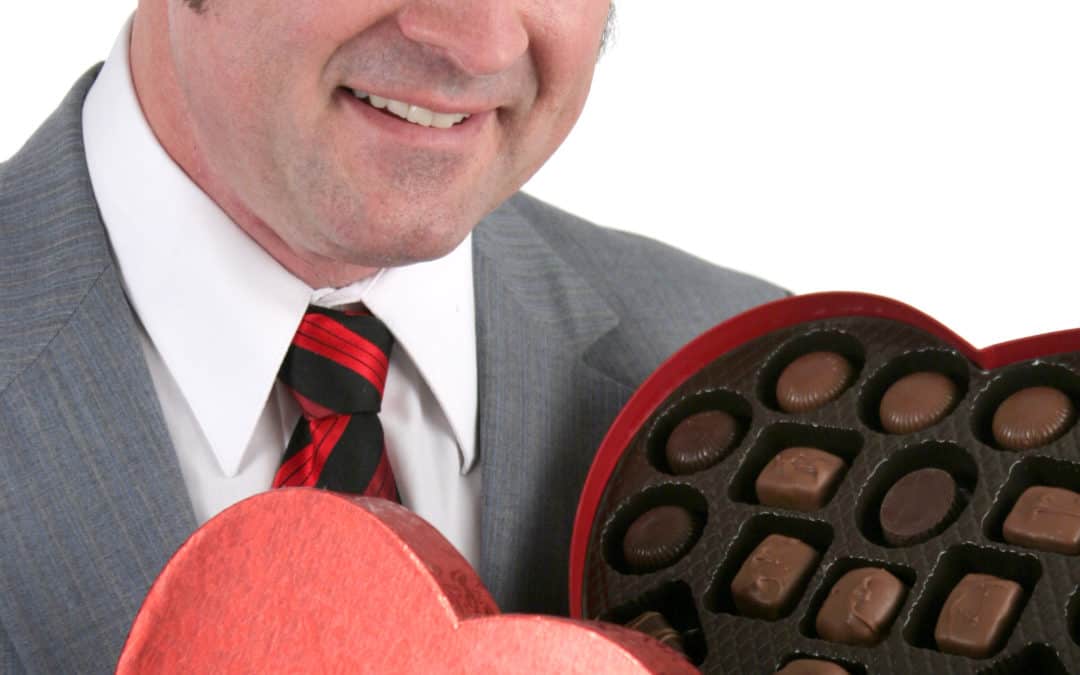
Managing a healthy blood sugar level is hard when you’re a type 2 diabetic, but being diabetic doesn’t mean that sugar will kill you. Enjoying a small piece of cake, or a few pieces of chocolate will certainly not do a lifetime of damage to a diabetic. Straying away from the lectures, and allowing the diabetic in your life to enjoy a few sweets, is a great way to treat them.

KNOW THE RIGHT ALTERNATIVES

Diabetics don’t have to cut sweets out of their lives entirely, but they do have to know what are viable options for sweets, and which options do more damage than they do good. The primary alternative that people think of is dried fruit. While dried fruit does have the chewy texture that gummy candies do, and is still sweet, dried fruit is actually much more processed and contains more sugar, meaning it does more damage. Find sugar free candies or sweets to use instead!

Make sure that you show diabetic that you love, just how much you care. The Metabolic Research Institute works hard every day to find a treatment to this difficult, and life changing, disease. Making sure that you help any diabetics in your life maintain their blood sugar level, while still offering a way to enjoy the holiday, is already a great way to treat them!


What’s Affected By Type 2 Diabetes

What’s Affected By Type 2 Diabetes

Unlike Type 1 diabetes, Type 2 diabetes is something that usually develops later in life.  At the Metabolic Research Institute, we perform diabetes clinical trials in hope of finding some sort of answer that will help make this disease easier to cope with. While most people know that a poor diet and a lack of exercise can contribute to the chances of developing type 2 diabetes, very few know exactly what happens to the body once diabetes has been diagnosed.

Type 2 diabetes does not keep your body from creating insulin, but it does make less and less insulin, which in turn makes it extremely difficult to keep your blood sugar in normal ranges. Over time, high blood sugar levels can lead to other health problems.

Some of the places that we see this happening are the eyes, feet and your heart. Type 2 diabetes can create temporary waves of blurred version. When individuals with type 2 diabetes start to notice floaters or blurred version, it’s usually a sign that they need to get to the doctor because health conditions are getting worse.

Feet are another dominant part that people see affected by type 2 diabetes. Our feet require tons of circulation, and with lower blood sugar, a weaker heart and poor health, circulation isn’t great. When type 2 diabetes gets difficult for people to manage, they’ll usually notice that they have less feeling in their feet.

In regards to your heart’s health, type 2 diabetes increases your blood sugar, which in turn damages the lining of all your blood vessels. When this happens, your body is at a greater risk of developing health issues like heart attacks, strokes and heart disease.

This disease is not something that makes life easy. That is why our team works hard each day to get just a little closer to finding a solution. Support our cause by learning more about the disease and our efforts to stop it.


Signs & Symptoms of High Cholesterol

Signs & Symptoms of High Cholesterol

Having high cholesterol is something that we hear on television commercials, in pamphlets inside of doctor’s offices and from family members that are concerned about our diet. Because we are so exposed to the words “high cholesterol”, we often trick ourselves into thinking that this is something that we can easily take care of if ever diagnosed. Unfortunately, that isn’t the case, and because of that too many people are stuck in situations where they suffer from high cholesterol and are grasping for straws to make it better. That being said, noticing signs and symptoms early on helps reduce the chances of high cholesterol from being out of our reach when trying to find solutions. Here are the most basic signs and symptoms that you’ll see when your cholesterol levels are high.
Tragic Health Decline

High cholesterol can go unnoticed for years to people that don’t visit the doctor on a regular basis. Unfortunately, sometimes the only way that people find out they have high cholesterol is after they’ve had a heart attack or stroke.
Pain In The Legs

Very often, cholesterol affects your legs first, so some of the main signs and symptoms that you’ll see will be pain in the legs. This happens because your arteries are clogged and aren’t able to deliver adequate amounts of blood to your legs. This can happen in any part of your leg, from the calves to your thighs, you will notice this pain whenever you’re upright, walking or traveling long distance by walking.

At the Metabolic Research Institute, we are constantly working towards treatments for difficult diseases like high cholesterol and diabetes. Learn about our current efforts to find a high cholesterol treatment and how you can be a part of this movement.


Who’s Really At Risk For Heart Disease?

Who’s Really At Risk For Heart Disease?

Bad habits are only deemed bad because they increase the risk of developing health issues down the road. When you accumulate bad habits, the chances of you developing a health issue increase even more. When it comes to developing heart disease, you aren’t always able to control your chances of developing it, but there are health factors that you can control. Here are a few of the health variables that you do have control over when it comes to heart disease.
Blood Pressure

Your blood pressure is the force of your blood pushing up against the walls of the arteries while your heart pumps blood through your body. When the pressure rises, your body notices negative reactions that put your health at risk. Individuals with a higher blood pressure are at a greater risk of heart disease. The best way to lower blood pressure is through routine exercise and a healthy diet.
Smoking

For women, smoking is the risk that heightens heart disease the most. The reason that smoking increases the risk of heart disease is because of the carbon monoxide that is in cigarettes. Carbon monoxide takes the blood from your oxygen, which creates a build up in your veins. Not only does smoking increase the chances of heart disease, but also of heart attacks and heart failure.

The basis of health factors that you can control really come down to participating in healthy activities, exercising regularly and maintaining a healthy diet. At the Metabolic Research Institute, we work hard every day towards creating a treatment for heart disease. Learn more about our efforts when you visit our website.